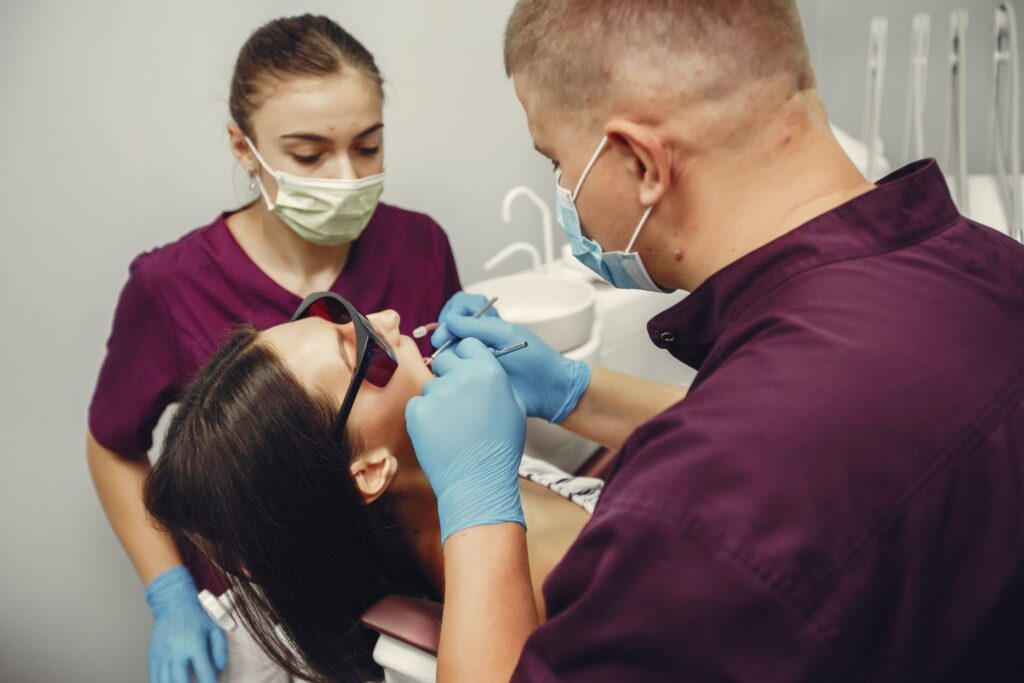
Why do people need root canal therapy? If you are searching for root canal treatment near you, it often means you are dealing with tooth pain, swelling, or sensitivity that does not go away. These symptoms can happen when the soft tissue inside a tooth becomes infected or irritated. Root canal therapy is designed to remove this infection while keeping your natural tooth in place.
Many people worry because they have heard mixed stories about root canals. In reality, understanding the process helps reduce fear and makes the experience feel more manageable. Learning what happens before, during, and after treatment allows patients to feel prepared and confident.
What Happens Before a Root Canal Procedure?
Before treatment begins, the dentist carefully checks the affected tooth. X-rays are often taken to see how deep the infection is and whether nearby areas are affected. This step helps create a clear treatment plan and avoids unexpected issues during the procedure.
Patients often meet with a dentist near you to discuss symptoms, ask questions, and understand the steps involved. At this stage, the dentist also explains how the tooth will be protected during treatment and what recovery may look like. Clear communication before starting helps patients feel calm and informed.
What Happens During Root Canal Therapy?
Root canal therapy follows a step-by-step process focused on comfort and care. Each step is done carefully to protect the tooth and the surrounding area.
Here is what usually happens during the procedure:
- The area around the tooth is numbed.
- A small opening is made to reach the inside of the tooth.
- Infected or damaged tissue is removed.
- The space inside the tooth is cleaned and shaped.
- The tooth is sealed to prevent future infection.
Most people are surprised by how routine the process feels. The goal is to stop the pain caused by infection and allow the tooth to function normally again.
How Long Does a Root Canal Appointment Usually Take?
The length of a root canal appointment depends on the tooth being treated and the level of infection. Some treatments can be completed in one visit, while others may require more time.
Front teeth often take less time because they have fewer roots. Molars may take longer due to their complex structure. Your dentist will explain what to expect based on your specific situation, so there are no surprises.
Is Root Canal Therapy Painful?
Many people are worried that it is painful. Advanced dental methods aim to provide maximum comfort to patients. The pain-numbing medicine will prevent your pain. Most people feel pressure, not pain.
Afterwards, you may experience mild soreness as the area heals. Follow the post-care instructions on pain management after root canal treatment to control pain. Usually, tenderness goes away within a few days.
What Should You Expect Immediately After the Procedure?
Medication may help relieve any tenderness to the tooth and surrounding area. It’s a normal reaction as the body is on a path to recovery. When biting and chewing, some people experience sensitivity for a short time.
You may not chew on the treated side until the tooth is completely restored. Adopting simple habits, like opting for softer foods and maintaining cleanliness in the area, can be beneficial during this phase.
How Long Does Recovery Take After a Root Canal?
Most people return to their daily routine the same or the next day, but recovery time varies. Usually, sensitivity will subside gradually and not affect your routines for long.
Good post-treatment care for root canal patients plays a key role in healing. Brushing gently, flossing regularly, and following dental advice help protect the treated tooth and support long-term success.
What Daily Care Helps After Root Canal Therapy?
Caring for your tooth post-treatment prevents further problems with it. Small habits can create major differences to be more comfortable.
Helpful care tips include:
- Don’t chew hard or sticky food on the treated tooth.
- Brush your teeth and floss daily.
- Use any prescribed medicine as directed.
- Go to follow-up appointments if instructed.
These processes help the tooth heal properly and lessen the risk of reinfection.
Why Is a Crown Sometimes Recommended After a Root Canal?
After a root canal, the tooth may become weaker because the infected tissue has been removed. In some cases, a crown is recommended to protect the tooth from breaking.
Crowns help restore strength and allow normal chewing. Not every tooth needs a crown, and the decision depends on the tooth’s location and condition. Your dentist explains whether extra protection is needed.
Are Root Canals Safe and Commonly Performed?
A dental procedure in which the root canal is performed. Most dentists follow standards set by the American Dental Association and the Canadian Dental Association. Patient safety, cleaning, and long-term retention of teeth are covered in them.
When performed based on accepted dental practices, root canals are a reliable treatment for tooth infection.
Ready to Learn More About Root Canal Therapy?
Root canal therapy can remove the infection to reduce your discomfort and save your tooth. Albany Dental will provide you with answers to your questions, outline your options, and book your appointment when you are ready for the clearest guidance.
📍 Find Us on Google Map
FAQs
Will My Tooth Feel Normal After Healing?
Most patients indicate that after they’ve healed and the final filling or crown is placed, the tooth feels normal again. It must work as your natural tooth when chewing & during other daily activities.
Can I go back to work or school the same day?
Yes, many people return to their routine shortly after. It may be mildly sore or sensitive, but it does not get in the way of daily activities.
Is swelling or discomfort normal after treatment?
Some tenderness, mild swelling, or pressure is common for a few days following a root canal. This usually improves with proper pain management after root canal therapy and gentle care.
Do root canals prevent future dental problems?
Root canals remove the current infection and protect the tooth from further decay. However, maintaining good oral hygiene and attending regular checkups are essential to prevent new issues.