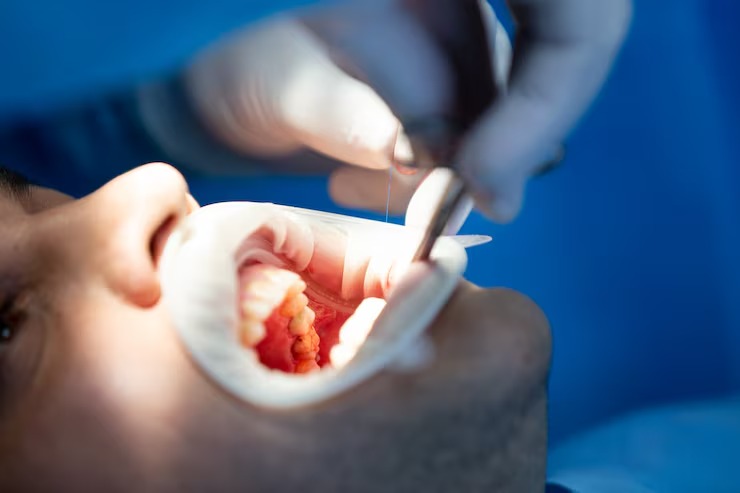
Can a Small Cavity Really Become a Big Problem? Yes. A small cavity may not hurt at first, but it does not heal on its own. When tooth damage is caught early, dental fillings in Edmonton help prevent decay from reaching deeper layers of the tooth. Early care helps keep the tooth strong, reduces pain, and prevents the need for more extensive treatment later.
What Is a Small Cavity and How Does It Start?
A cavity starts when sugar from food and drinks mixes with bacteria. The combination creates acids that damage tooth enamel. At first, there may be only negligible harm missed during dental examinations. If left untreated, the defect grows and eventually reaches the inner part of the tooth.
Early signs may include:
- Teeth have white or brown spots.
- Mild sensitivity to cold or sweets
- Food often gets stuck in one spot.
This stage is the best time for early cavity treatment, as the tooth structure can still be easily saved.
Why Early Dental Fillings Matter More Than You Think
A dental filling repairs the damaged area and seals the tooth. When placed early, it prevents bacteria from spreading deeper. This helps keep the tooth healthy and prevents nerve problems.
Benefits of treating cavities early include:
- Smaller fillings instead of extensive repairs
- Less time in the chair
- Lower treatment cost
- No major tooth pain
Early action protects your natural tooth and supports long-term protection against tooth decay.
What Happens if a Small Cavity is Ignored?
Ignoring a cavity allows decay to spread. The damage spreads from the enamel into the dentin, then into the nerve. At that point, simple fillings may no longer work.
Problems that may develop include:
- Severe tooth pain
- Infection
- Swelling
- Need for root treatment or extraction.
Fixing a cavity early is always easier than fixing advanced damage.
How Dental Fillings Fix Small Cavities
Dental fillings remove the damaged part of the tooth and fill the space with a strong material. This restores the tooth’s shape and function so you can chew normally again.
The basic steps include:
- Cleaning the damaged area
- Removing decay
- Placing the filling
- Shaping and smoothing the tooth
The process is quick and comfortable when cavities are small.
How Early Cavity Treatment Protects Daily Life
Treating cavities early helps you:
- Eat comfortably
- Avoid sudden toothaches
- Keep your natural smile.
- Reduce dental stress
A healthy tooth works better and lasts longer than one repaired after significant damage.
Daily Habits That Support Tooth Decay Prevention
Good habits reduce the chance of cavities and help fillings last longer.
Helpful habits include:
- Brushing twice daily
- Flossing once a day
- Drinking water after meals
- Limiting sugary snacks
- Visiting the dentist regularly
These steps support long-term oral health and reduce the need for future dental work.
When Should You Get a Filling?
You should consider treatment as soon as a cavity is detected. Waiting does not make it better. Regular dental visits help catch cavities before symptoms appear.
If your dentist recommends a filling, it usually means decay has already started and needs care right away.
Why Choosing the Right Dental Clinic Matters
Selecting an appropriate dental clinic near you can help maintain your dental hygiene. When care is easy to access, people are more likely to book regular checkups and have minor issues addressed more often. It is time-saving, less stressful, and easier to make follow-up visits to a local clinic.
If you go to a trusted clinic, you will receive consistent treatment, communication, and planning. The ability of the same dental team to get to know you is valuable because it helps them understand your dental history and spot changes early. In turn, it also produces better long-term outcomes. Over time, this leads to more advanced oral health, lower treatment costs, and a healthier smile.
Protect Your Smile Before Problems Grow!
Neglecting small cavities can lead to unbearable pain, and severe dental issues require treatment. Addressing cavities early saves time, protects your teeth, and reduces pain. Albany Dental provides gentle, preventive treatment and helps patients keep their teeth and their lives healthy. Timely appointments can make all the difference for a healthy, confident smile.
FAQs
Can a small cavity heal on its own?
No. Once a cavity forms, the tooth cannot repair itself. Tooth enamel does not grow back, so the decay will slowly spread deeper into the tooth. A dental filling is needed to remove the damaged area and seal the tooth before the cavity becomes larger and more painful.
Are early fillings painful?
Early fillings are usually not painful. Because the cavity is small, the procedure is quick and requires minimal numbing. Most people feel only mild pressure, not pain. Treating a cavity early also reduces the risk of post-filling soreness.
How long do fillings last?
If you take care of your fillings, they can last a long time. Remember to brush and floss regularly and get fillings checked. Avoiding hard foods and teeth grinding can also help keep your filling in place longer.
Can children get fillings for small cavities?
Yes. Children can and should get fillings as soon as cavities are found. Early treatment protects baby teeth and helps guide proper tooth development. Fixing cavities early also prevents pain, infection, and future dental problems as permanent teeth grow in.