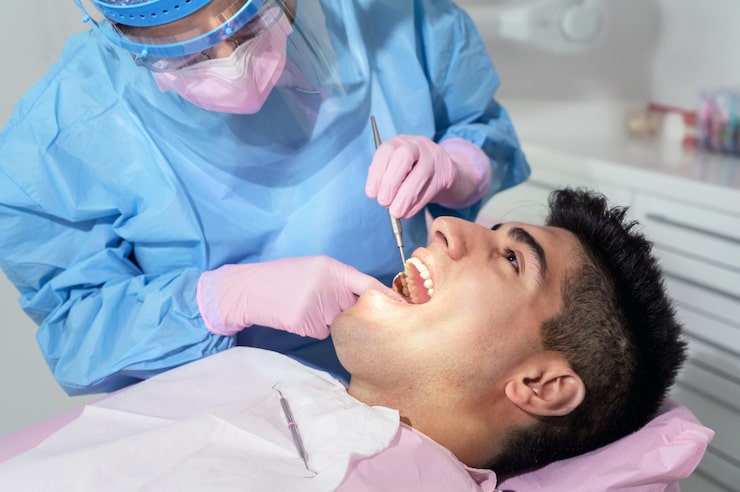
Can you save an infected tooth rather than remove it? When daily life is disrupted by tooth pain, swelling, or sensitivity, many patients visit a dental clinic in Edmonton. An infected tooth doesn’t necessarily require immediate removal; in many cases, it can be successfully treated. Root canal therapy removes the infection from inside your tooth while conserving part of your tooth.
Saving a natural tooth is often the preferred option because it helps maintain normal chewing function and protects surrounding teeth.
What Causes a Tooth Infection?
A tooth can become infected when bacteria get inside the tooth.
Common causes include:
- Deep cavities
- Cracked or broken teeth
- Untreated tooth decay
- Injuries to the tooth
- Old or worn fillings
If the infection is not treated, it can spread deeper into the tooth and the surrounding area.
Warning Signs of an Infected Tooth
Finding signs of an infection early can help prevent more serious dental problems.
Common signs include:
- Ongoing tooth pain
- Sensitivity to hot or cold foods and drinks
- Swelling around the gums
- Pain when chewing
- A tooth that looks darker than usual
- A small bump on the gums
These signs should not be ignored, as a tooth infection usually does not resolve without dental treatment.
How Dentists Save Infected Teeth With Root Canals
The treatment focuses on removing the source of the infection while preserving the tooth’s healthy outer structure.
The treatment usually includes:
- Exam and Checkup: The dentist examines the tooth to determine the severity of the infection.
- Removing the Infection: The infected tissue within the tooth is carefully removed.
- Cleaning the Tooth: The inside of the tooth is cleaned and disinfected.
- Sealing the Tooth: The cleaned space is sealed to help prevent future infection.
- Restoring Strength: In many cases, a crown may be recommended to protect the tooth in the long term.
By treating the infection directly, the tooth can often continue functioning for many years.
Why Saving a Natural Tooth Matters
Whenever possible, preserving a natural tooth offers important benefits.
Advantages include:
- More comfortable chewing
- Better bite balance
- Natural appearance
- Reduced risk of neighbouring teeth shifting
- Long-term oral health support
Keeping the original tooth is often simpler than replacing it later.
Root Canal Therapy Before Tooth Extraction
Many people think removing a painful tooth is the quickest solution. However, a root canal is often considered first because saving your natural tooth can provide better long-term results and help maintain your oral health.
Root canal therapy in Edmonton may be recommended when:
- The tooth structure can still be restored.
- Infection is limited to the inside of the tooth.
- The surrounding bone remains healthy.
- The tooth continues to provide important chewing support.
Extraction may only become necessary when the damage is too severe for restoration.
What Happens After Treatment?
Recovery is generally straightforward.
Many patients experience:
- Mild tenderness for a few days
- Gradual improvement in comfort
- Normal daily activities shortly after treatment
- Better chewing function once healing occurs
Following aftercare instructions helps support a smooth recovery.
Understanding Root Canal Treatment Cost
One of the most common questions is about the cost of root canal treatment.
The cost can depend on several factors, including:
- Which tooth needs treatment
- How serious the infection is
- Whether a dental crown is needed
- Your insurance coverage
- Any additional treatment required
The cost can vary from person to person, but saving a natural tooth can help avoid more expensive dental treatment in the future.
When Should You Seek Professional Care?
Prompt treatment improves the chances of saving an infected tooth.
A dentist near you should be contacted if symptoms such as pain, swelling, or sensitivity continue for more than a short period.
Delaying treatment can increase the risk of:
- Larger infections
- Bone damage
- More discomfort
- Tooth loss
Early care usually leads to better outcomes.
Why Early Treatment Makes a Difference
An infection often starts small but can worsen quickly if ignored.
Benefits of early treatment include:
- Faster relief from symptoms
- Greater chance of saving the tooth
- Less damage to surrounding tissues
- Improved long-term oral health
- Reduced risk of future complications
Acting quickly helps protect both the affected tooth and overall oral health.
Protect Your Tooth and Keep Your Smile Healthy!
An infected tooth can be treated before the issue gets any worse. When you seek care early on, it can help reduce pain, protect neighbouring teeth, and keep your mouth working properly. The sooner you get treatment for an infection, the better your chances are of saving your tooth and keeping your smile healthy. Visit Albany Dental for patient-focused dental care.
FAQs
How long does a root canal procedure take?
Treatment time depends on the condition of the tooth, but many root canal procedures can be completed within one or two appointments.
Can a tooth still function normally after a root canal?
Yes. Once the tooth is properly restored, it can continue to function for chewing and daily use just like other teeth.
How long can a root canal-treated tooth last?
With good brushing, flossing, and regular dental checkups, a tooth that has had a root canal can last for many years and sometimes even for life.
Is it better to save a tooth than remove it?
In many cases, yes. Keeping your natural tooth can help you chew comfortably, maintain a proper bite, and support your overall oral health.