Missing teeth can affect both the appearance of a smile and everyday activities such as chewing or speaking. When a tooth is lost, nearby teeth may slowly shift into the empty space, which can affect bite alignment and oral health. Many patients visit a dental clinic in Edmonton to learn about treatments that can replace missing teeth and restore proper function.
Patients looking for tooth replacement options often search for dental bridges in Edmonton when exploring restorative dental treatments. Dental bridges help close the gap left by missing teeth and restore both the appearance and function of the smile. This treatment allows patients to chew more comfortably and helps maintain the natural structure of the mouth.
Understanding Dental Bridges
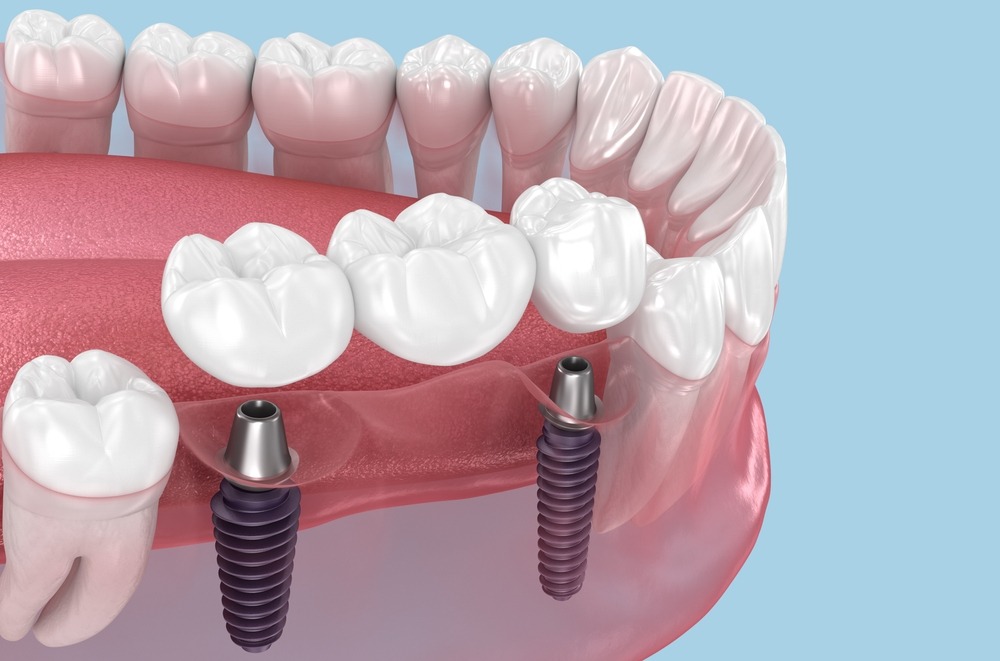
A dental bridge is a restoration used to replace one or more missing teeth. The bridge includes an artificial tooth that fills the gap and is supported by crowns placed on the nearby teeth. These supporting teeth hold the bridge in place and help it function like a natural tooth.
Dental bridges are designed to match the colour and shape of surrounding teeth so that they blend naturally with the smile. In addition to improving appearance, dental bridges help prevent nearby teeth from shifting and maintain proper bite alignment.
Steps involved in the dental bridge procedure
Dental bridge treatment usually takes two visits to complete. The first visit focuses on preparing the teeth and taking impressions so the bridge can be created.
The dental bridge procedure generally includes the following steps.
- Examining the teeth and evaluating the missing tooth area
- Preparing the teeth that will support the bridge
- Taking impressions to create the custom dental bridge
- Placing a temporary bridge to protect the prepared teeth
- Fitting and securing the permanent bridge during the next visit
Once the permanent bridge is placed, the restored tooth begins functioning like a natural tooth. The bridge helps restore chewing ability and improves the appearance of the smile.
Are Dental Bridges Painful
Many patients worry about discomfort during dental procedures. Dental bridge treatment is generally comfortable because the area being treated is numbed before the procedure begins. This helps ensure that patients do not feel pain during the treatment.
During the procedure, the teeth that will support the bridge are carefully prepared. Patients may notice slight pressure while the dentist works, but significant discomfort is uncommon. After the bridge is placed, most patients are able to return to normal daily activities.
Benefits Of Dental Bridges
Dental bridges offer several advantages for patients who have missing teeth. Replacing missing teeth helps maintain oral function and supports overall dental health.
Dental bridges help restore normal chewing and prevent other teeth from shifting into the empty space. They also improve the appearance of the smile and help maintain proper bite alignment.
Dental bridges provide several important benefits.
- Restoring the ability to chew and speak comfortably
- Preventing nearby teeth from shifting into the gap
- Helping maintain the natural shape of the face
- Improving the appearance of the smile
- Supporting proper bite alignment
These benefits make dental bridges a commonly recommended treatment for replacing missing teeth and maintaining oral health. They also help restore comfort and improve everyday dental function.
Root Canal Recovery Time
Some patients receiving restorative treatments may also require other procedures depending on the condition of the tooth. When a tooth has deep infection or damage, root canal treatment may be recommended before placing a dental crown or bridge.
Understanding root canal recovery time helps patients know what to expect after treatment. Recovery usually involves mild sensitivity for a few days while the surrounding tissues heal. Most patients are able to return to normal daily activities shortly after the procedure.
What To Eat After Root Canal Treatment
Diet plays an important role during recovery after dental procedures. Eating the right foods after root canal treatment helps protect the treated tooth and reduce discomfort. Soft foods can help prevent extra pressure on the area while it heals.
Patients are usually advised to choose soft foods and avoid chewing on the treated side of the mouth until the tooth fully heals. Soft foods are easier to chew and help prevent irritation around the treated tooth. Foods such as yogurt, soup, mashed potatoes, soft fruits, scrambled eggs, and oatmeal are commonly recommended during the initial recovery period.
Maintaining A Dental Bridge
Proper oral hygiene is important for maintaining dental bridges and protecting the teeth that support them. Regular care helps the bridge last longer and function effectively.
These habits help maintain dental bridges and support healthy teeth.
- Brush teeth twice daily with fluoride toothpaste
- Floss carefully around the dental bridge
- Avoid chewing very hard foods
- Visit the dentist regularly for checkups and cleanings
Following these habits helps protect the dental bridge and maintain the health of the surrounding teeth and gums.
Restore Your Smile With Professional Dental Care
Dental bridges provide a reliable way to replace missing teeth and restore normal oral function. Understanding the procedure helps patients feel more comfortable and confident when choosing treatment. At Albany Dental, the team provides supportive care for patients who need tooth replacement solutions. Schedule a visit today to learn more about dental bridges and other restorative treatments.
Frequently Asked Questions
Are dental bridges painful?
Dental bridge procedures are usually comfortable because the treatment area is numbed before the procedure begins.
How long do dental bridges last?
With proper care and regular dental visits, dental bridges can last many years.
How long does it take to get a dental bridge?
Most dental bridge treatments are completed in two dental visits.
Can I eat normally with a dental bridge?
After the adjustment period, most patients can return to normal eating habits