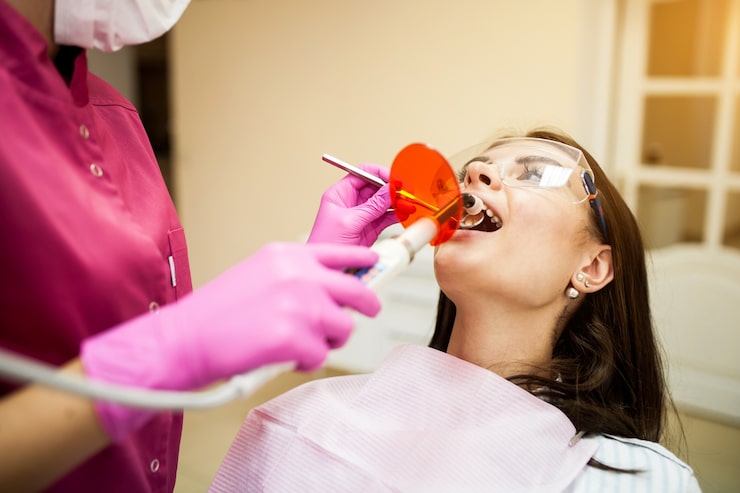
Dental fillings and crowns can remain functional for years, but changes in comfort or appearance may signal that a restoration needs attention. The problem may involve the restoration, the natural tooth underneath, or the way the teeth meet. Seeking consultation for dental fillings in Edmonton can help determine whether a simple adjustment or repair is sufficient or whether more extensive treatment is needed.
Warning Signs That Need Attention
A filling or crown may need assessment when you notice changes such as:
- Cracks or Chips: Visible damage may weaken the restoration or expose the underlying tooth.
- Looseness: A filling or crown that moves or lifts should be checked promptly.
- Rough Edges: A sharp surface may irritate the tongue or cheek.
- Food Trapping: Food repeatedly collecting around the restoration may indicate a change in its fit.
- Pain When Biting: Discomfort can relate to the bite, a crack, or the supporting tooth.
- New Sensitivity: Reactions to hot or cold foods may have several possible causes.
These signs do not always require complete replacement, but they should not be ignored.
Can Decay Develop Under A Filling Or Crown?
Yes. Decay can develop around the margins of a restoration, especially if the seal is damaged or plaque accumulates nearby. This is sometimes called recurrent decay. It may progress without obvious symptoms, making regular examinations important.
Sensitivity alone cannot confirm decay underneath a restoration. A dental professional may examine the tooth and recommend X-rays when clinically indicated to assess areas that are difficult to see directly.
How Are Damaged Restorations Assessed?
A dentist in Edmonton can examine the restoration, supporting tooth, gums, and bite to identify the source of a problem. The dentist may check for movement, visible cracks, worn edges, and signs of decay. Imaging may be useful when an underlying issue cannot be assessed adequately through visual examination.
The findings help determine whether the restoration can be maintained or needs treatment. Replacing a filling or crown without a clear clinical reason can remove additional healthy tooth structure, so a conservative approach is preferable when appropriate.
Repair Or Replace: What Determines The Choice?
A small defect may be repaired or smoothed when the remaining restoration and tooth are sound. Replacement may be necessary when damage is extensive, the fit is poor, or decay has weakened the supporting tooth.
If you are considering dental crowns near you, remember that crowns are not automatically replaced after a fixed number of years. Their condition, the health of the underlying tooth, and the amount of remaining structure guide the decision.
What To Do Before Your Appointment
A dental clinic near you can assess a loose restoration, persistent sensitivity, or changes in your bite. Until the tooth is checked, avoid chewing hard foods on that side. Do not use household glue to reattach a crown or attempt to adjust a filling yourself.
Seek prompt assessment for worsening pain, swelling, or signs of infection. These symptoms may indicate a problem involving the tooth rather than the restoration alone.
Protect Your Tooth With Timely Care
A damaged filling or crown does not always need complete replacement, but delaying an assessment can allow some problems to progress. Identifying the cause early helps clarify whether repair, adjustment, or a new restoration is appropriate and protects as much healthy tooth structure as possible.
Book a consultation with Albany Dental to have your restoration and the underlying tooth assessed. Getting a clear answer can help you make an informed decision about your next steps.
FAQs
What are the common signs that a dental filling needs replacing?
A filling may need attention if it chips, feels loose, develops a rough edge, traps food, or causes pain when chewing. These signs do not automatically mean replacement is necessary. An examination can determine whether smoothing, repair, replacement, or treatment of the underlying tooth is appropriate.
How can I tell if my dental crown is cracked or damaged?
A crown may have a visible chip, feel rough, become loose, or cause discomfort when biting. Some cracks are difficult to see, and pain may originate from the tooth beneath the crown. Avoid testing or adjusting a loose crown yourself; arrange an assessment.
Can decay develop underneath a filling or crown?
Yes. Bacteria can contribute to decay near a damaged or poorly fitting margin. The problem may not be visible at home and may cause no pain initially. A dental examination, with X-rays when appropriate, can help assess the tooth’s supporting tissues.
Does tooth sensitivity always mean a filling or crown needs replacing?
No. Sensitivity may result from gum recession, exposed dentine, tooth wear, recent treatment, or other conditions. The duration, severity, and triggers help guide assessment. Persistent or worsening sensitivity, particularly with biting pain or swelling, should be checked.
How long do dental fillings and crowns usually last?
There is no single lifespan for every restoration. Material, restoration size, bite forces, oral hygiene, and recurrent decay can affect durability. Regular dental examinations help identify wear or defects so a filling or crown can be maintained, repaired, or replaced when clinically necessary.